
We use an energy box that channels the hot air from the compressors into the boiler, raising the temperature of the water used for heating and reducing gas consumption and CO2 emissions.
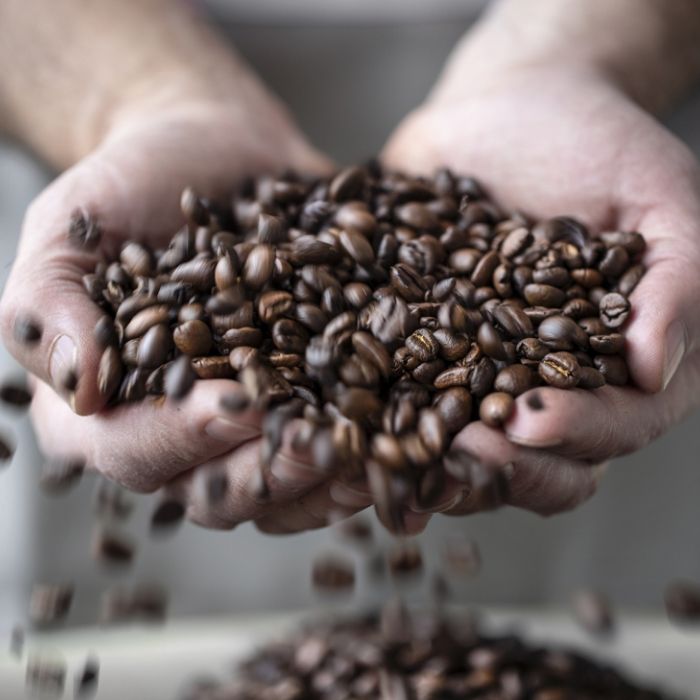
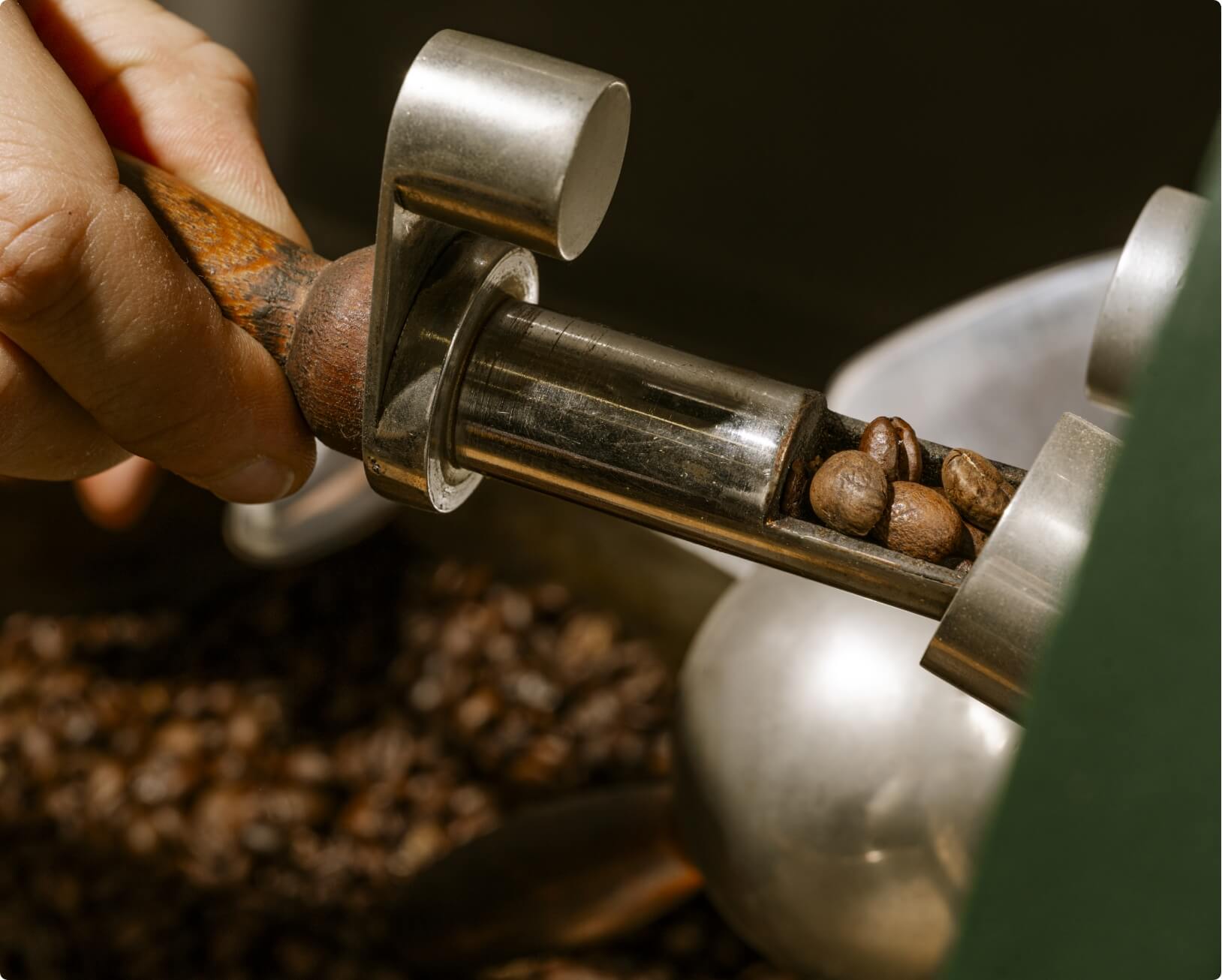
We base our operations on a growing sense of responsibility in the production and use of raw materials.
We are taking an increasingly careful approach to raw materials. Specifically, for some of our products, we purchase:

Organic Coffee
Coffee origins from organic farming, respecting nature and local ecosystems.

Utz Coffee
Promotes and identifies products on the market that are produced in accordance with environmental and social responsibility requirements.
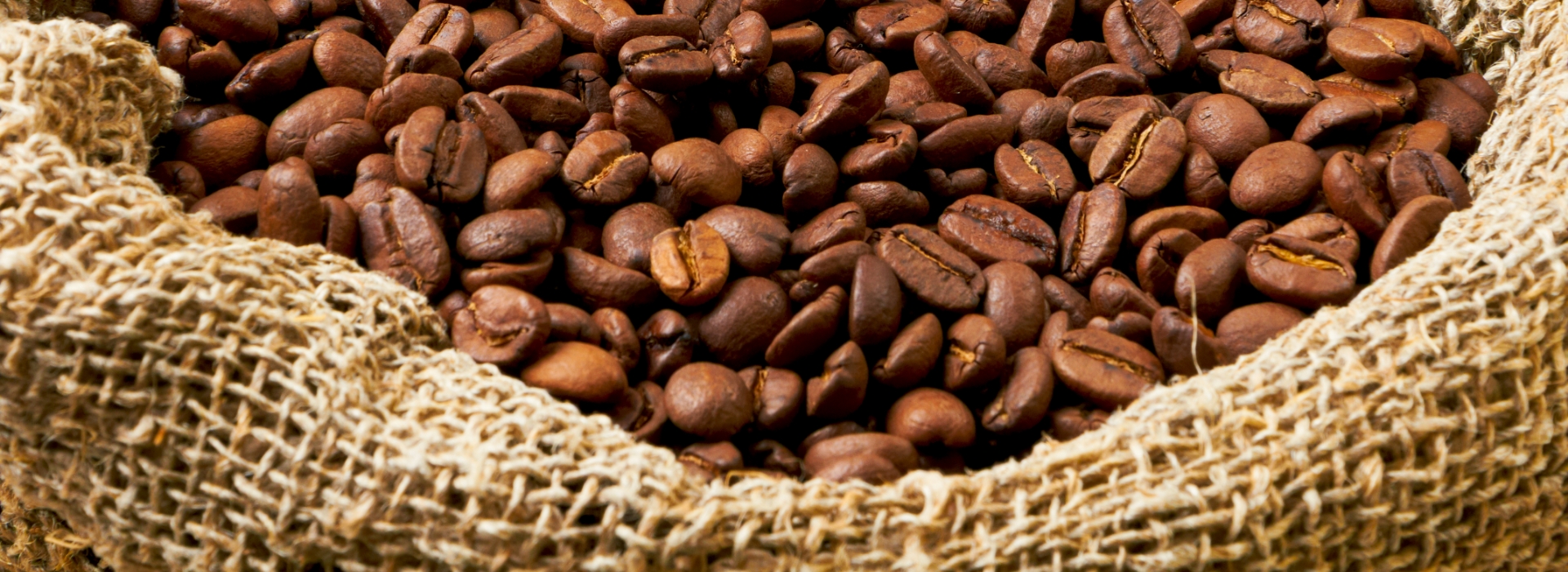
Coffee grounds are used as a byproduct in the production of biomethane. We will thus extract biogas from this roasting byproduct, which is used to generate electricity. Approximately 100 metric tons are recovered annually, and electricity production is estimated at about 80,000 Kwe.
The amount of energy generated is roughly equivalent to the energy a medium-sized electric car uses to travel 5,800 km.
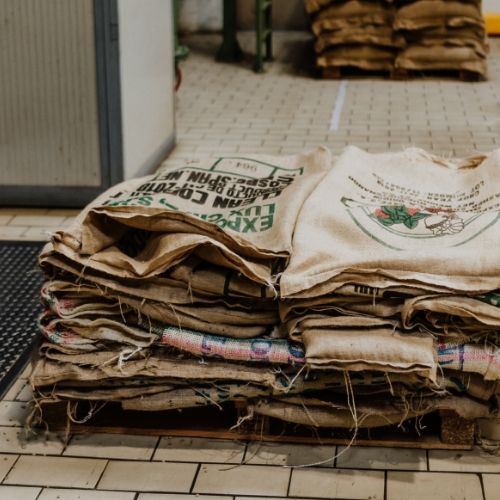
Jute bags are reused for mulching and soil containment in agriculture and nursery operations (approximately 35 metric tons per year).
From reducing the weight of the aluminum to focusing on minimizing waste, we carry out careful checks throughout the entire production process to ensure that our packaging is as efficient as possible— including for the environment.
The company has been ISO 14001 certified since 1999, which means it has a management system in place to monitor the environmental impacts of its operations and systematically seeks to improve them in a consistent, effective, and, above all, sustainable manner.
This sustainable approach applies to the entire production chain, from manufacturing facilities to offices.



Uncompromising quality is also based on internationally recognized control systems.
Caffè Vergnano operates in compliance with BRC (British Retail Consortium) and IFS ( International Featured Standards) standards, which are used by large-scale retailers to assess the reliability of suppliers and their ability to guarantee safe, high-quality products.
For the U.S. market, the company also complies with the requirements of the Food Safety Modernization Act (FSMA), which introduces a food safety management system based on preventive controls, in line with U.S. regulations.
These standards provide an additional level of assurance to protect the product and those who choose it.

