Sustainable food service: some good practices to make the DIFFERENCE
Sustainability, waste and waste reduction, circular economy, green approach: these are the key words that are more and more common in the food and beverage world with increasing force. The change of perspective is necessary by law (the regulations will go further in this direction) and due to the need of a market that wants to work to limit the environmental impact as much as possible, with consequent advantages also in terms of cost reduction. Here are our tips for bars and restaurants that want to give a contribution to the environment in their daily work:
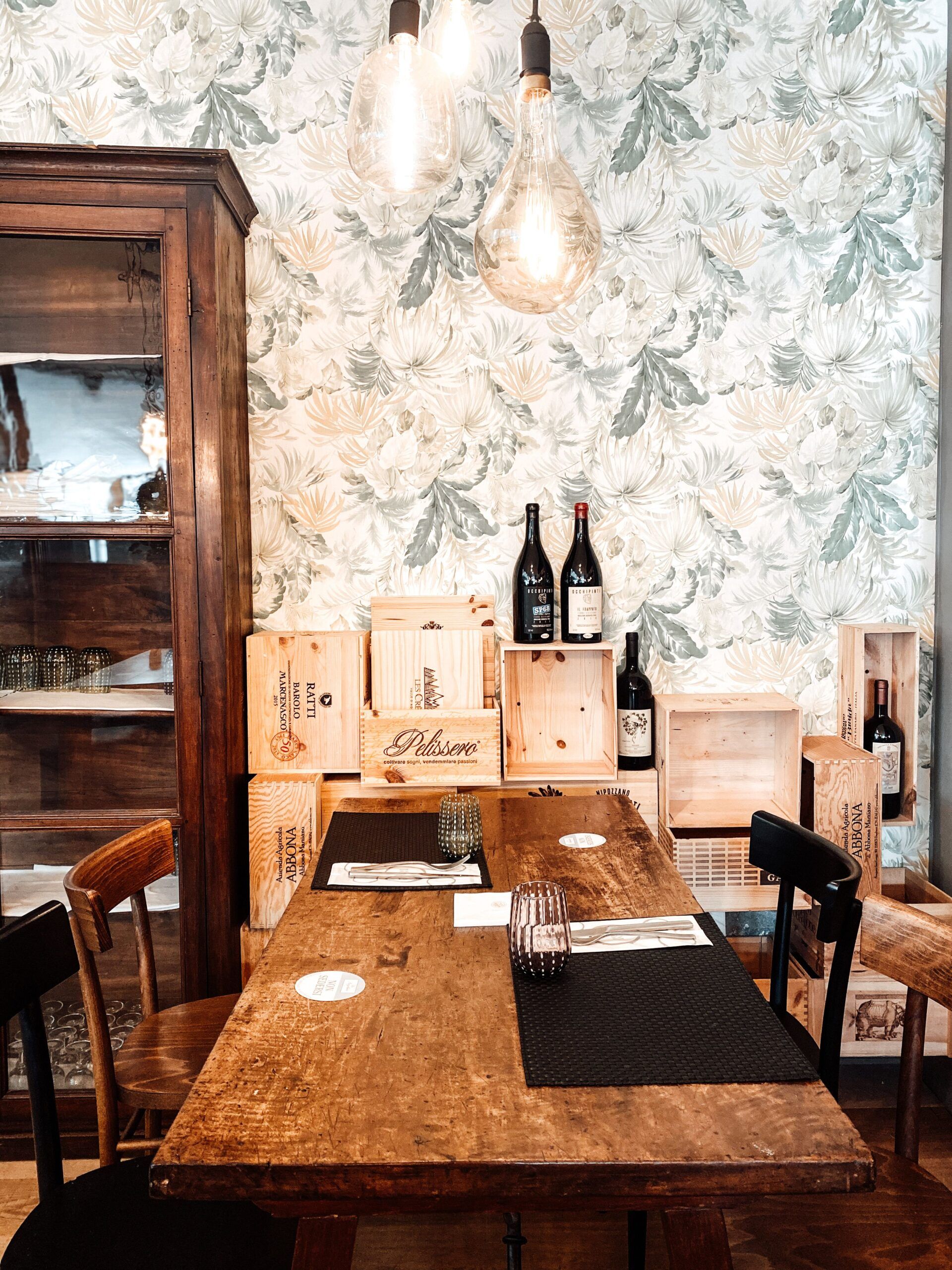
– Always choose used or recycled materials for the furnishings, giving new life to objects that otherwise would have been destined to garbage, with a view to the perfect circular economy. These will also give a personal connotation to the place, immediately communicating your sustainable philosophy and differentiating it from competitors. Obviously, the choice of furnishings and related materials will depend on the type of venue you want to create and the refined atmosphere, but always remember to wink at taste and design. If you are still looking for the perfect location, do not underestimate the possibility of recovering spaces previously assigned to other uses and perhaps abandoned, which with a careful renovation, could restore a unique charm.
– Recycle! And have it done, organizing a
special area for the collection of different waste, also available to
customers. Do not forget that this space can be an excellent opportunity to
communicate your care to the subject, perhaps with a real graphic poster that
explains your commitment.
– Better in bulk! Give preference to the
administration of juices, water and soft drinks on tap: in this way you will
avoid many unnecessary packaging and you will probably be able to guarantee
your customer a cheaper price. The returnable glass bottles are a valid and
virtuous alternative.
– Abolish disposable items as much as possible: choose the durable alternative or, if not possible, opt for recycled, recyclable and compostable materials. Include the products you use for cleaning, detergents, soaps and perfumers in this good practice by purchasing loose products or special refills.
– Fight food waste: in addition to the
economic aspect and the ethical and moral one, understanding in depth what is
sold and what least allows you to avoid throwing away too much food, saving the
environment from unnecessary and harmful consumption of resources.

The FIPE (Italian Federation of Public Services)
data speak clearly about the problem: 80% of the restaurateurs interviewed determine
as significant the waste of food in the restaurant, which occurs mostly during
final consumption (people don’t finish the food they order), in food procurement
and during food preparation. The solutions to overcome this serious problem can
be different and complementary. First of all, offer the customer the
opportunity to take away any food that they haven’t consumed using the now
famous doggy bag: if you are the first to offer this new chance, by advertising
and declaring it explicitly, no one will feel embarrassed and you will have
helped to reduce food waste. To make this practice truly sustainable, you can
directly propose ecological, durable and aesthetically pleasing packaging,
perhaps customized with the logo of your restaurant.
Then evaluate if the portions are adequate or if
on the contrary they are too abundant; remember that, with creativity, study
and passion, you can then propose alternatives uses also using parts of the
less known products. In general, there is no need for a menu too complex or
extensive recipes, as the risk would be to create confusion and make the
analysis much more complex and less effective.
– Sell (or give away!) unsold food at the end
of the day at moderate prices; some apps (eg togoodtogo), allow locals to
become part of a circuit that provides customers with boxes of food close to
expiration date at a truly competitive price. Probably with a tool like this
one you will also bring in new potential customers, perfectly in
target, into the venue, who will know you for the first time through a virtuous
activity.
– Prefer short chain foods, of quality and with a known origin: you
will save the environment avoiding transport and therefore pollution and will
guarantee customers a better taste. A choice of value that has positive
repercussions also at a social and economic level, because it protects local
producers and frees buyer and customers from the logic and impositions of
intermediaries, guaranteeing the definition of a fair price.
– Offer seasonal menus, respecting sustainable
agricultural production: the products will express all their best organoleptic
properties, for the benefit of flavor and respect for nature (and, of course,
they will cost less if bought at the right time). But be careful not to get
carried away too much and to want to propose too frequent changes, because
customers may not have time to notice the renewal and, consequently, would not
be able to fully appreciate the effort. The optimal time frame is 3 months.
– Reward the virtuous behavior of customers by offering discounts to those who arrive by bicycle, or bring with them water bottles or containers to carry what they buy in the restaurant.
– Transfer your philosophy to the staff and
make them an involved part of the project, making them aware of the culture of
energy saving, separate collection and waste reduction. Adherence to a
sustainability project must take place by all staff members: every action or
communication must be consistent so that the choice is perceived as real and
authentic.
– Use sustainable energy sources, reduce
water consumption by using special flow reducers on mixers, prefer hand dryers
over paper ones, choose energy-saving appliances.
– Select suppliers who make virtuous choices
in terms of packaging, reduction of waste and choice of raw materials. Choosing
partners also on the basis of ethical / environmental criteria, possibly with
certifications that, in addition to protecting the environment, guarantee high
quality standards, will help make your offer unique and valuable.
All these good practices that require sensitivity,
preparation, commitment and a change of perspective, must be clearly shared and
explained to the customers, who will give the place a value and differentiate
it by virtue of this from the competition.